
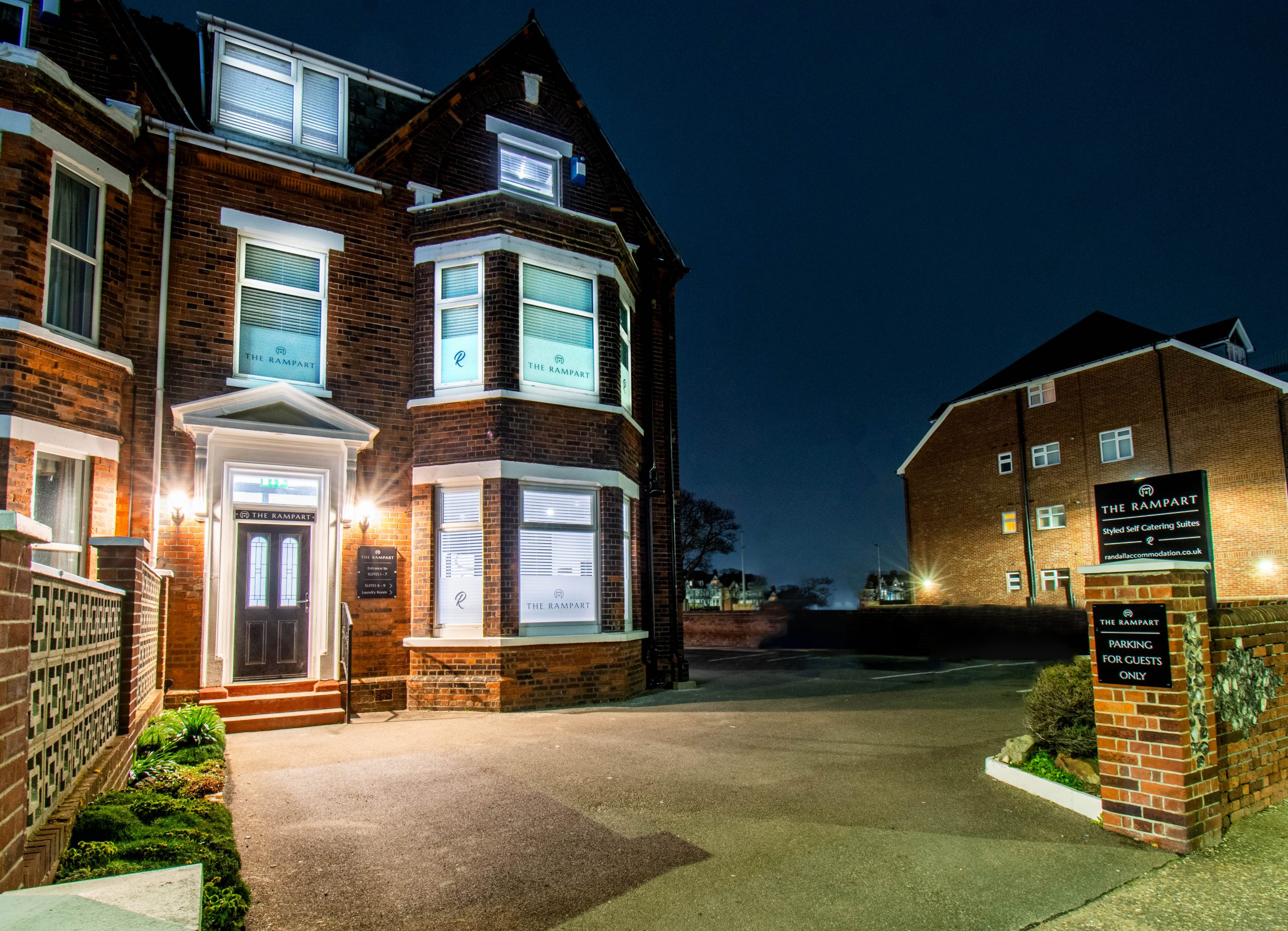
Great Yarmouth, a historic seaside town on the Norfolk coast, is steeped in centuries of maritime and cultural heritage. From its medieval origins to its role as a bustling Victorian resort, the town’s story is a fascinating journey through time. For anyone visiting or exploring the Norfolk area, understanding the history of Great Yarmouth adds a deeper appreciation for its unique charm and enduring appeal.
Early Beginnings and Medieval Roots
The history of Great Yarmouth dates to at least the 11th century. Its location at the mouth of the River Yare allowed it to flourish as a port town, facilitating trade and fishing. The medieval market town was known for its salt production and herring industry, which became central to the local economy. Many of the town’s streets, including the famous Regent Road, were developed to support this bustling maritime trade.
The Venetian Influence: Waterways and Canals
One of the most distinctive features of Great Yarmouth is its network of waterways, sometimes compared to the canals of Venice. The Venetian Waterways were constructed between January and June 1928 as part of relief work for the unemployed after World War One. The design was inspired by the city of Venice, once the waterways had been opened, they became very popular in the town, being used for fishing, boating and other leisure activities. The decline of tourism in the 1960s and the lack of maintenance led to the downfall of the waterways. However, there was a recent refurbishment completed in 2019, creating more interest and visitation to the area.
The Harbour: Heart of Trade and Industry
Today Great Yarmouth is a famous seaside town but for centuries it was an important fishing port. Yarmouth was famous for herrings. Traders came from all over the UK and internationally to trade for Great Yarmouth herring. The arrival of the railway significantly boosted tourism and trade in the area as Yarmouth became much easier to access.
Regent Road and Urban Development
Regent Road is a key landmark that tells the story of Great Yarmouth’s urban development. Built during the 19th century, this road connected the town centre to the seafront, facilitating both trade and tourism. Many of the elegant Victorian buildings along Regent Road still stand today, reflecting the prosperity of the town during the Victorian era. Walking along Regent Road gives a glimpse into Great Yarmouth’s architectural and social history.
Victorian Seaside Resort Era
By the 19th century, Great Yarmouth had also established itself as a premier seaside resort. The arrival of the railway made the town accessible to visitors from across the country, transforming it into a holiday destination. Grand hotels, piers, and promenades sprang up, and attractions like theatres and amusement arcades became central to the town’s leisure culture. This period solidified Great Yarmouth’s reputation as both a historic port and a vibrant tourist hub.
Preserving the Past in Modern Times
Today, Great Yarmouth embraces its rich heritage while catering to modern tourism. Visitors can explore the Venetian-style waterways, wander along Regent Road, or enjoy the lively harbour area, all while immersing themselves in the town’s fascinating history. Museums, guided tours, and heritage trails ensure that the story of Great Yarmouth continues to be shared with new generations.
Conclusion
From its medieval beginnings to its Victorian heyday as a seaside resort, Great Yarmouth’s history is deeply intertwined with its waterways, harbour, and streets like Regent Road. This historic Norfolk town offers a unique blend of maritime heritage and coastal charm, making it a destination rich in both culture and history. Whether you are a history enthusiast, a visitor exploring the Norfolk coast, or a local resident, the history of Great Yarmouth is an essential part of experiencing everything the town has to offer.